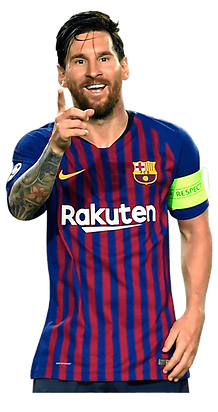
How Much Does Lionel Messi Make From Sponsorships?
Lionel Messi makes an estimated $40–65 million per year from sponsorships and endorsements, according to Forbes' annual athlete earnings rankings. That puts him among the top endorsement earners in all of sports — and it's income that doesn't depend on which club he plays for or how many goals he scores.
Sponsorship income is one of the most powerful wealth-building tools for elite athletes. Unlike salary, which is tied to a single employer, endorsement income comes from multiple brands simultaneously and can continue long after retirement. For Messi, sponsorships have grown from a supplementary income source early in his career to a major pillar of his annual earnings.
This article breaks down Messi's endorsement portfolio, explains how sponsorship deals work, and looks at what makes his endorsement income so valuable.
How Much Does Messi Make From Sponsorships?
According to Forbes' annual rankings of the world's highest-paid athletes, Messi's off-field income (primarily endorsements) has been consistently estimated at $40–65 million per year in recent years:
| Year | Estimated Off-Field Income | Forbes Rank | |------|---------------------------|-------------| | 2021 | ~$45 million | Among top 5 | | 2022 | ~$55 million | Among top 5 | | 2023 | ~$65 million | Among top 3 | | 2024 | ~$60 million | Among top 5 | | 2025 | ~$55 million (est.) | Among top 5 |
The variation year to year reflects new deals being signed, existing deals being renewed, and one-time payments (like signing bonuses for new partnerships) that inflate certain years.
It's worth noting that these figures are estimates. Forbes and other outlets build their rankings from reported deals, industry knowledge, and informed assumptions — not from Messi's actual contracts, which are private.
Messi's Major Endorsement Partners
Messi's endorsement portfolio is built around a few major, long-term partnerships supplemented by smaller deals. Here are the key partners:
Adidas — The Lifetime Deal
Adidas is Messi's most important and most valuable endorsement partner. The relationship began early in Messi's career, and over time it evolved into a lifetime partnership — reportedly signed around 2017.
A lifetime deal means Adidas will pay Messi for the rest of his life, regardless of whether he's actively playing. This is the endorsement equivalent of a pension — guaranteed income that continues forever.
The exact financial terms of the Adidas lifetime deal are not public, but lifetime deals of this caliber are typically worth hundreds of millions of dollars over their full duration. For context, Cristiano Ronaldo's Nike lifetime deal has been reported at approximately $1 billion over its lifetime.
Messi's Adidas partnership includes:
- Boot sponsorship — Messi wears Adidas football boots exclusively
- Apparel and merchandise — Messi-branded Adidas products
- Advertising campaigns — global marketing featuring Messi
- Product collaboration — input on signature products and lines
- Lifetime commitment — payments continue after retirement
For a deeper look at this specific deal, see our dedicated article on how much Messi makes from Adidas.
Pepsi
Pepsi has been one of Messi's longest-running endorsement partners. The relationship spans many years and has included numerous global advertising campaigns, particularly around football tournaments like the World Cup.
Pepsi's partnership with Messi is part of a broader strategy of partnering with top footballers — Messi has appeared alongside other stars in Pepsi's famous football commercials. The financial terms are not public, but global partnerships with top athletes of this scale typically generate $5–10 million per year or more.
Budweiser
Messi has partnered with Budweiser, particularly around major tournaments. Budweiser was an official FIFA sponsor during the 2022 World Cup (which Argentina won), and Messi featured prominently in their campaigns.
Alcohol brands are major spenders in sports advertising, and partnerships with the world's most famous footballers command premium fees. The exact value of Messi's Budweiser deal is not public.
Hard Rock Cafe
Messi partnered with Hard Rock Cafe in a deal that included a signature sandwich (the "Messi Sandwich") and promotional campaigns. This partnership was notable for its creative integration — rather than just appearing in ads, Messi had a product named after him.
Other Partners
Beyond these major deals, Messi has worked with numerous other brands over the years:
- Mastercard — credit card and financial services partnership
- Lays — snack brand (part of PepsiCo, often bundled with the Pepsi deal)
- Jacob & Co. — luxury watch partnership
- Gatorade — sports drink (also PepsiCo-related)
- Turkish Airlines — airline partnership (shared with other athletes)
- Various regional and product-specific deals
The total portfolio of endorsements generates the estimated $40–65 million in annual off-field income.
How Athlete Sponsorship Deals Work
To understand Messi's endorsement income, it helps to know how sponsorship deals are actually structured:
Base Fee
The guaranteed annual payment for the partnership. This is the core of the deal — the brand pays the athlete a fixed amount each year for the right to use their name, image, and likeness.
Performance Bonuses
Many deals include bonuses tied to performance or milestones — winning a tournament, reaching a certain number of social media followers, or achieving specific marketing goals. These can add significant amounts in good years.
Signing Bonus
A one-time payment for entering the partnership. For major deals, signing bonuses can be substantial — sometimes tens of millions of dollars for the biggest athletes.
Equity or Revenue Sharing
Some modern deals include equity in the brand or a share of revenue from products the athlete helps sell. This is less common but increasingly popular, as it aligns the athlete's income with the brand's success.
Term Length
Deal terms vary. Some are short (1–3 years), others are long (5–10 years), and a few — like Messi's Adidas deal — are lifetime arrangements. Longer deals typically have higher total value but lower annual rates.
Exclusivity
Most major deals are exclusive within a category. Messi can't endorse both Adidas and Nike, or both Pepsi and Coca-Cola. Exclusivity increases the value of the deal because the brand gets a guaranteed competitive advantage.
What Makes Messi's Endorsement Value So High
Several factors make Messi one of the most valuable endorsement properties in sports:
Global Recognition
Messi is recognized worldwide. He's one of the most famous people on the planet — not just in sports, but globally. This means brands that partner with him get exposure in every major market, not just one country or region.
Social Media Following
Messi has one of the largest social media followings of any athlete — over 500 million followers across platforms, particularly on Instagram. Each post reaches an enormous audience, and brands pay premium rates for that exposure.
Clean Image
Messi has maintained a relatively clean public image throughout his career. Unlike some athletes who generate controversy (which can be a liability for brands), Messi is seen as professional, family-oriented, and focused on football. This makes him a safe choice for major brands.
Longevity
Messi has been at the top of football for nearly two decades. Brands value longevity because it means their investment in an athlete remains valuable for years. A partnership with Messi isn't a one-year gamble — it's a long-term association with a lasting icon.
World Cup Victory
Winning the 2022 World Cup elevated Messi's status from "one of the greatest" to "the greatest" in the eyes of many fans. This cemented his legacy and likely increased his endorsement value, as brands want to be associated with the ultimate winner.
Cross-Generational Appeal
Messi appeals to multiple generations — children who are just discovering football, adults who grew up watching him, and older fans who appreciate his skill. This broad demographic reach makes him valuable to brands targeting different age groups.
How Sponsorship Income Compares to Salary
One of the most important things to understand about Messi's finances is how sponsorship income compares to salary — and how that relationship has changed over time.
Early Career
In Messi's early years, salary was the dominant income source, with endorsements representing perhaps 15–25% of total income.
Peak Barcelona Years
By his final Barcelona years, endorsements had grown to represent roughly 35–45% of total income — nearly matching his salary.
Inter Miami Era
At Inter Miami, with a lower base salary, endorsements and business income now represent the majority of Messi's annual earnings — potentially 55–65% or more.
This trend matters because endorsement income is more stable and longer-lasting than salary. When Messi retires from football, his salary will stop — but his endorsement income (especially the Adidas lifetime deal) will continue.
How Messi's Endorsement Income Compares to Other Athletes
| Athlete | Estimated Annual Endorsement Income | Top Partner | |---------|-------------------------------------|------------| | Lionel Messi | $40–65 million | Adidas | | Cristiano Ronaldo | $40–60 million | Nike | | LeBron James | $55–80 million | Nike, Beats | | Roger Federer | $40–90 million (pre-retirement) | On, Uniqlo | | Tiger Woods | $50–60 million | Nike, TaylorMade |
Messi is in the top tier of endorsement earners globally, comparable to Ronaldo and LeBron James. Roger Federer, even in retirement, continues to earn significant endorsement income through his On running shoe equity stake — a model that shows how endorsements can continue and even grow after an athlete stops competing. ([Internal Link Opportunity: How Much Does Cristiano Ronaldo Make From Sponsorships?])
What Affects Messi's Sponsorship Income Year to Year
Several factors cause Messi's endorsement income to fluctuate:
- New deals — signing a new major sponsor can add $5–20 million in a single year
- Deal renewals — renewing an existing deal often comes with a pay increase
- Tournament performance — World Cups and major trophies boost an athlete's marketability
- Market conditions — economic downturns can reduce advertising budgets across all sports
- Social media growth — increasing follower counts make an athlete more valuable to brands
- Career milestones — breaking records or winning major awards generates publicity that increases value
- Retirement transitions — retirement can temporarily boost endorsement value (legacy effect) before a gradual decline
The Future of Messi's Sponsorship Income
As Messi moves toward retirement, his endorsement income is likely to evolve:
Continued Income
The Adidas lifetime deal ensures income continues indefinitely. Other long-term deals may also continue, as brands often maintain relationships with retired legends (think Michael Jordan and Nike).
Potential Increase
Retirement can actually increase endorsement value in the short term, as brands want to associate with a player's legacy and final achievements. David Beckham's endorsement income reportedly increased after retirement.
Gradual Shift
Over time, the nature of endorsements may shift — from performance-related products (boots, sportswear) to lifestyle and legacy brands (watches, fashion, luxury goods). This is a natural evolution for retired athletes.
Business Integration
Some endorsement relationships may evolve into business partnerships — equity stakes, joint ventures, or brand ownership — as Messi transitions from pitchman to businessman.
The Bottom Line
Lionel Messi makes an estimated $40–65 million per year from sponsorships, built around his Adidas lifetime deal and supplemented by partnerships with Pepsi, Budweiser, and other global brands. This endorsement income has grown to represent a majority of his annual earnings and will continue long after he retires from football.
What makes Messi's sponsorship income remarkable isn't just the amount — it's the structure. With a lifetime Adidas deal, long-term partnerships, and a clean global image, his endorsement income is built to last. This is the foundation that will keep his wealth growing even after his playing days are over.
Want to see what spending a year of Messi's endorsement income looks like? Try the Spend Their Money game and see how quickly you can spend what Messi earns from sponsorships alone.
Frequently Asked Questions
How much does Lionel Messi make from sponsorships?
Messi makes an estimated $40–65 million per year from sponsorships and endorsements, according to Forbes' annual athlete earnings rankings. This includes his Adidas lifetime deal, Pepsi partnership, and numerous other brand relationships.
What is Messi's biggest sponsorship deal?
Messi's biggest sponsorship deal is his lifetime partnership with Adidas, signed around 2017. The exact value is not public, but lifetime deals of this caliber are typically worth hundreds of millions of dollars over their full duration.
Which brands sponsor Lionel Messi?
Messi's major sponsors include Adidas, Pepsi, Budweiser, Hard Rock Cafe, Mastercard, Lays, Jacob & Co., and others. The full portfolio generates an estimated $40–65 million per year in endorsement income.
Does Messi's sponsorship income continue after retirement?
Yes. Messi's Adidas lifetime deal ensures income continues for life. Other long-term partnerships may also continue, and retirement can sometimes boost endorsement value in the short term as brands associate with a player's legacy.
How does Messi's sponsorship income compare to Ronaldo's?
Messi and Ronaldo have similar endorsement income — both estimated at $40–65 million per year. Both have lifetime deals with their respective sportswear partners (Adidas for Messi, Nike for Ronaldo). The exact comparison varies by year and source.
Sources
- Forbes — Annual highest-paid athletes rankings (2020–2025)
- Sport Business Journal — Athlete endorsement analysis
- Business Insider — Sports marketing coverage
- ESPN — Football endorsement reporting
- SportsPro Media — Athlete marketability rankings

